THURSDAY, 18TH OF JUNE
Good morning everyone!!!
Ya estamos en la recta final del curso y quiero daros las gracias porque habéis demostrado ser muy responsables y trabajadores con vuestras tareas.
He disfrutado mucho este curso con vosotr@s, a pesar de esta situación tan peculiar que nos ha tocado vivir al final.
Si todo va bien, y ese es mi deseo, nos veremos en septiembre aunque volvamos a la llamada “nueva normalidad”.
Os deseo unas felices y bien merecidas vacaciones de verano!!!!
HAVE A WONDERFUL SUMMER HOLIDAY!!!!
Os envío una presentación que ha hecho Patricia sobre “Las máquinas simples”. Y os recomiendo que entréis en la carpeta de tercero Sciences porque ha hecho unas actividades muy chulas que os pueden gustar!!!!Por si os aburrís este verano!!!
WEDNESDAY, 17th OF JUNE
1.- Watch this videos as many times as you like!!!
(mira este video tantas veces como quieras)
2.- Open your book and read pages 12 and 13, listen to the contents.
THE METAL AGES
(abre tu libro y lee las páginas 12 y 13 escucha los contenidos)
3.- In your notebook write the vocabulary you don´t know and the meaning in Spanish.
(En tu cuaderno escribe el vocabulario que no conoces y su significado en español).
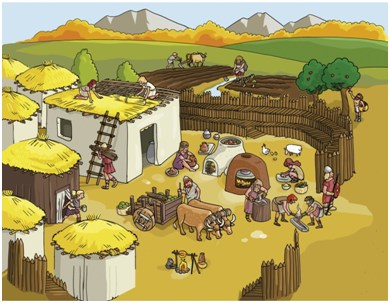
La Edad de Bronce y la Edad de Hierro supuso el descubrimiento de cómo hacer objetos con metal. Primero usaban cobre, luego bronce y después hierro. La gente inventó la rueda y vivía en pueblos. Allí podían tener más trabajos, como artesanos, granjeros, herreros o comerciantes.
HAVE A WONDERFUL DAY!!!

TUESDAY, 16TH OF JUNE
Good morning, everyone. Are you ready!!! let´s start!!!
1.- Watch this videos as many times as you like!!!
2.- Open your book and read pages 10 and 11, listen to the contents.
( abre tu libro y lee las páginas 10 y 11, escucha los contenidos)
3.- In your notebook write the vocabulary you don´t know and the meaning in Spanish.
(En tu cuaderno escribe el vocabulario que no conoces y su significado en español).
El Período Neolítico
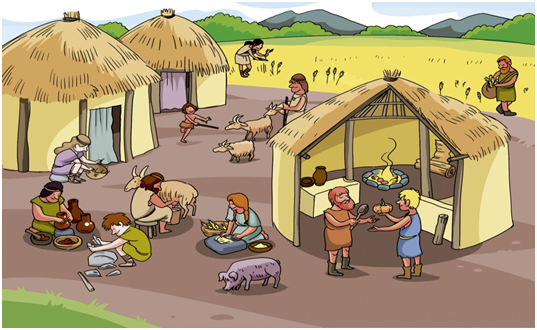
El Período Neolítico fue el principio de la agricultura y el comercio. Los habitantes del Neolítico cosechaban cultivos, criaban animales e intercambiaban productos. Descubrieron cómo cultivar plantas a partir de semillas. La gente se volvió sedentaria y vivía en las cabañas de los pueblos.
HAVE A WONDERFUL DAY!!!

THURSDAY, 11TH OF JUNE
1.- Complete this diagram in your notebook about Paleolithic People, with drawings!!!!
( Completa este esquema en tu cuaderno sobre Las Personas del Paleolítico, con dibujos!!!!)
HAVE A WONDERFUL WEEKEND!!!
WEDNESDAY, 10th OF JUNE
QUIZZ
1.- Hello, everybody. Are you ready? Correct the Quizz.
1. – What do we call people who don’t live permanently in one place?
We call them Nomadic.
2. – What were Paleolithic people’s clothes made of?
They were made of Animal skins.
3. – What did Paleolithic people make tools from?
Paleolithic people made tools from stone, wood and animal bones.
4.-How did Paleolithic people get food?
They hunted and fished, and they collected fruit and plants.
5.-What did Paleolithic people discover?
They discovered how to make fire.
6. – When did the Paleolithic Period start?
The Paleolithic Period started about 5 million years ago.
7. -What things from the Paleolithic Period can we still see today?
We can still see cave paintings, objects and bones.
8. -Why did Paleolithic people move around a lot?
Paleolithic people moved around a lot because they were looking for food.
2.- Watch this videos as many times as you like!!! And answer the questions orally!!!
(mira este video tantas veces como quieras y responde a las preguntas oralmente)
HAVE A WONDERFUL DAY!!!

TUESDAY, 9TH OF JUNE
ACTIVITIES
1. – Open your book and read pages 8 and 9 again, listen to the contents.
( abre tu libro y lee las páginas 8 y 9 otra vez, escucha los contenidos)
2.- QUIZZ. On page 9
Hello, everybody. Are you ready?
Listen to the Quizz and answer the questions in your notebook.
(Escucha el Quizz y responde a las preguntas en tu cuaderno.)
- What do we call people who don’t live permanently in one place?
We call them
- What were Paleolithic people’s clothes made of?
They were made of
- What did Paleolithic people make tools from?
Paleolithic people made tools from
- How did Paleolithic people get food?
They
- What did Paleolithic people discover?
They discovered how
- When did the Paleolithic Period start?
Paleolithic Period started about
- What things from the Paleolithic Period can we still see today?
We can still see
- Why did Paleolithic people move around a lot?
They moved around a lot because
HAVE A WONDERFUL DAY!!!

THURSDAY, 4TH OF JUNE
ACTIVITIES
- Correct the activity 4 on page 9.
In your notebook write “true” or” false”. Correct the false sentences.
- False. Paleolithic People didn´t live permanently in one place. They were Nomadic.
- True.
- True.
- False. They drew pictures on the walls of the caves.
2.- Complete this interactive activity. I hope you like it!!!
( completa esta actividad interactiva. Espero que te guste)
https://es.liveworksheets.com/xr150879xt
Cuando lo completes pulsar «Terminado» y das a «comprobar respuesta» , no hace falta que me lo enviéis.
HAVE A WONDERFUL WEEKEND!!!

WEDNESDAY, 3RD OF JUNE
ACTIVITIES
1.- Open your book and read pages 8 and 9 again, listen to the contents.
( abre tu libro y lee las páginas 8 y 9 otra vez, escucha los contenidos)
2.- Activity 4 on page 9.
In your notebook write “true” or” false”. Correct the false sentences.
HAVE A WONDERFUL DAY!!!

TUESDAY, 2 ND OF JUNE
PREHISTORY
Activities
1.- Watch this videos as many times as you like!!!
(mira este video tantas veces como quieras)
2.- Open your book and read pages 8 and 9, listen to the contents.
( abre tu libro y lee las páginas 8 y 9, escucha los contenidos)
3.- In your notebook write the vocabulary you don´t know and the meaning in Spanish.
(En tu cuaderno escribe el vocabulario que no conoces y su significado en español).
EL PERIODO PALEOLÍTICO
La Prehistoria se divide en tres periodos:
- Paleolítico
- Neolítico
- Edad del Bronce y Hierro
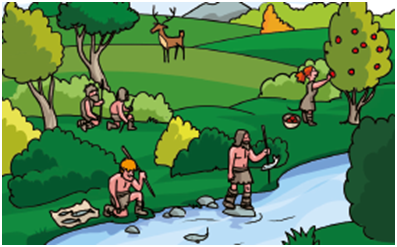
El periodo más antiguo y más largo de la Prehistoria es el Periodo Paleolítico. Empezó hace 5 millones de años y terminó hace 10.000 años.
Las personas paleolíticas eran nómadas porque iban de un lugar a otro en busca de comida
Cazaban y pescaban para conseguir comida. También recolectaban y comían frutas y plantas. Durante este período las personas descubrieron cómo hacer fuego. A partir de entonces ya podían cocinar los alimentos.
Los habitantes del Paleolítico vivían en cuevas o cabañas hechas de ramas de árboles y pieles de animales. También llevaban la ropa hecha con las pieles de los animales.
También hacían herramientas con piedra, madera y huesos de animales. Por ejemplo, fabricaban lanzas para cazar.
Los Arqueólogos son las personas que buscan objetos y construcciones del pasado. Han encontrado objetos y pinturas en cuevas, como en la de Altamira, en Cantabria y restos de huesos humanos en la Sierra de Atapuerca, en Burgos, que nos enseñan cómo vivían las personas en el Paleolítico.
HAVE A WONDERFUL DAY!!!

THURSDAY, 28TH OF MAY
Hello everyone, today you are going to play a game. I hope you enjoy it!! Ready!! Go!!!!
(hoy vais a jugar. Espero que disfrutéis!!!)
Swimming Game!!!
https://view.genial.ly/5ebd6bce3ea9560d96573a3c/game-periods-of-history
Ya la semana que viene empezaremos a trabajar con el libro azul Módulo 2 de Social Sciences. Todavía faltáis algunos alumnos por descargar la app. Conviene que lo hagáis antes del martes para poder utilizarla.
HAVE A WONDERFUL WEEKEND!!!

WEDNESDAY, 27TH OF MAY
ACTIVITIES
1.- Correct the listening activity.
- It started when people invented writing.
The Ancient History.
- It started in 1492.
The Early Modern Age.
- It started when humans first appeared.
The Prehistory.
- It started in 1789.
The Modern Age.
- It started when The Roman Empire fell.
The Middle Ages.
2 .- QUESTIONNARY
https://forms.gle/HaXCJWXAPWTXsXpU6
HAVE A WONDERFUL DAY!!!

TUESDAY, 26th OF MAY
Good morning, everyone. Are you ready!!! let´s start!!!
ACTIVITY
Listen to this audio as many times as you need and in your notebook write the Period of History which refers.
Escucha este audio tantas veces como necesites y escribe en tu cuaderno el Periodo de la Historia al que hace referencia.

12_SS4_cam_prehistory_audio_page_75_act_2.mp3
- It started when people invented writing. ________________________________________________
- It started in 1492. ________________________________
- It started when humans first appeared. ________________________________________________
- It started in 1789. ________________________________
- It started when The Roman Empire fell. _____________________________________________
(Tomorrow I will send you the right answers!!!! )
HAVE A WONDERFUL DAY!!!

THURSDAY, 21ST OF MAY
Buenos días a todos,
Anoche os envié un código pero esta mañana os he enviado otro «código de la clase » después de haber hablado con la representante de Oxford University Press, la editorial. Ya podéis descargaros el libro digital y si cambiáis el código tendréis más materiales.
No os preocupéis si no podéis descargar la app, de momento no lo vamos a utilizar hasta junio, hasta que compruebe que todos estáis conectados. En caso de que alguien no consiga conectarse que me lo diga para poder enviarle las actividades como hasta ahora.
Yo tengo que aceptaros y va muy lento, no os preocupéis, todo llega!!! De momento están 14 alumnos registrados. Si ojeáis el material decidmelo y así compruebo que funciona.
Será nuestro reto a partir de Junio!!!!!
ACTIVITIES
1.- Correct the activity
En esta actividad cometí un error al escribirla. El confinamiento me está pasando factura. Sorry!!! Ahora ya está corregido!!!
In your notebook write the periods of history and put them in order from the 1st Period to the 5th (1st is the oldest)
1.- Correct the activity
In your notebook write the periods of history and put them in order from the 1st Period to the 5th (1st is the oldest)
2nd Period .– It started when people learnt to read and write.
THE ANCIENT HISTORY.
4th Period It started when Columbus discovered America.
THE EARLY MODERN AGE.
3rd Period It started when The Roman Empire fell.
THE MIDDLE AGES.
1st Period It started when humans first appeared.
THE PREHISTORY.
5th Period It started in Spain with the War of Independence.
2.- In your notebook complete this diagram with some drawings to help you study it:
En tu cuaderno complete este esquema con dibujos que te ayuden a estudiarlo.
HAVE A WONDERFUL WEEKEND!!!

WEDNESDAY, 20TH OF MAY
Good morning, everyone. Are you ready!!!
First we are going to do our daily warming up:
Primero vamos a hacer el calentamiento diario:
Breathe in / Breathe out
Inspira / expira
Shake all about!!!
Mueve todo tu cuerpo!!!
ACTIVITY
In your notebook write the periods of history and put them in order from the 1st Period to the 5th (1st is the oldest).
Example:
2nd Period: It started when people learnt to read and write.
The Ancient History
______________________________It started when Columbus discovered America. ______________________________________________________________________________
__________________________________It started when The Roman Empire fell. ______________________________________________________________________________
_____________________________________It started when humans first appeared. ______________________________________________________________________________
__________________________ It started in Spain with the War of Independence. ______________________________________________________________________________
(Tomorrow I will send you the right answers!!!! )
LIBRO DIGITAL
MÓDULO 2 SOCIAL SCIENCES
Información importante, chic@s!!!!!
Como, la mayoría, no tenéis el libro en casa hasta ahora no he podido gestionar la licencia para descargarlo pero ya me han dado un código de descarga para que lo podáis tener en vuestro ordenador.
Necesitamos seguir estos pasos y ver si funciona:
- Descarga en tu ordenador la aplicación Blinklearning
- Te registras con tus datos personales e introduces este código de la clase. CL49132638
- Tengo que aceptarte como alumn@ en la clase.
- Ya puedes entrar en el libro digital.

Espero que todos podáis registraros sin problema!!!!!
Good luck!!!
HAVE A WONDERFUL DAY!!!

TUESDAY, 19th OF MAY
ACTIVITY
Today you just have to watch these 2 videos to be prepared for next week written activities.
ESQUEMA VISUAL ( Watch it again)
PERIODS OF HISTORY
https://mediateca.educa.madrid.org/video/iztmveguoxkey8ch
HAVE A WONDERFUL DAY!!!!

THURSDAY, 14 th OF MAY
- Today´s task is to do “the Cover” (la portada) of the topic “The Periods of History” in your notebook. COLOURFUL!!!
HAVE A WONDERFUL WEEKEND!!!

WEDNESDAY, 13 th OF MAY
1.- In your notebook write the following text to study.
En tu cuaderno copia este texto para estudiar.
- The last period is The Modern Age.
El último periodo es La Edad Moderna.
The Modern Age started when the French Revolution happened in 1789, the 18th Century. In Spain The Modern Age started later, when we won The War of Independence against Napoleon in 1808, in the 19th Century up until now, the 21st Century!!!

Second of MAY, 1808 by Goya
La Edad Moderna empezó cuando tuvo lugar la Revolución Francesa, en Francia en 1789, en el siglo XVIII. Pero en España comenzó más tarde, cuando España ganó la Guerra de la Independencia contra Napoleón en 1808, en el siglo XIX hasta nuestros días, el siglo XXI.
2.- Os envío otro vídeo con el texto de hoy. Conviene que volváis a ver primero los anteriores y después el de hoy y así cada día ir incluyendo uno nuevo. Al final os los aprenderéis sin esfuerzo.
https://mediateca.educa.madrid.org/video/be3er28dc5hkooi7
HAVE A WONDERFUL DAY!!!!

TUESDAY, 12th OF MAY
ACTIVITIES
1.- In your notebook write the following text to study.
En tu cuaderno copia este texto para estudiar.
- The fourth one is The Early Modern Age.
El cuarto es “El principio de la Edad Moderna”.
The Early Modern Age started when Christopher Columbus discovered America in 1492, in the 15th Century and ended when the French Revolution happened in 1789, in the 18th Century but in Spain it ended later, when Spain won The War of Independence against Napoleon in 1808, in the 19th Century.
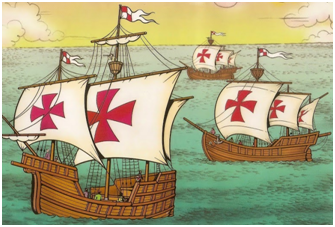
Christopher Columbus discovered America in 1492
“El Principio de la Edad Moderna” empezó cuando Cristóbal Colón descubrió América en 1492, en el siglo XV y acabó cuando tuvo lugar la Revolución Francesa, en Francia en 1789, en el siglo XVIII. Pero en España acabó más tarde, cuando España ganó la Guerra de la Independencia contra Napoleón en 1808, en el siglo XIX.
2 .- Watch the previous videos and this one and repeat it with me!!!!
https://mediateca.educa.madrid.org/video/mhqu5l19prcbc6fu
https://mediateca.educa.madrid.org/video/bdixk42f6hd7meio
https://mediateca.educa.madrid.org/video/bdixk42f6hd7meio
Os envío otro vídeo con el texto de hoy. Conviene que volváis a ver primero los anteriores y después el de hoy y así cada día ir incluyendo uno nuevo. Al final os los aprenderéis sin esfuerzo.
https://mediateca.educa.madrid.org/video/gdwqz1x3njtgcbo7
HAVE A WONDERFUL DAY!!!!

THURSDAY, 7th OF MAY
ACTIVITIES
1.-In your notebook write the following text to study.
En tu cuaderno copia este texto para estudiar.
- The third one is The Middle Ages.
El tercero es La Edad Media.
The Middle Ages started when The Roman Empire fell in 476, in the 5th Century and ended when Christopher Columbus discovered America in 1492, in the 15th Century.
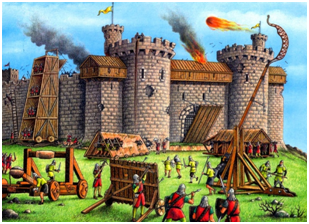
With castles and Knights
La Edad Media comenzó cuando “EL Imperio Romano cayó “en el año 476, en el siglo V. y terminó cuando Cristóbal Colón descubrió América en 1492, en el siglo XV.
2.- Watch the previous videos and this one and repeat them with me!!!!
https://mediateca.educa.madrid.org/video/mhqu5l19prcbc6fu
https://mediateca.educa.madrid.org/video/etxzwlcebhblf7vb
Os envío otro vídeo con el texto de hoy. Conviene que volváis a ver primero los anteriores y después el de hoy y así cada día ir incluyendo uno nuevo. Al final os los aprenderéis sin esfuerzo.
https://mediateca.educa.madrid.org/video/bdixk42f6hd7meio
HAVE A WONDERFUL WEEKEND!!!!

WEDNESDAY, 6th OF MAY
ACTIVITIES
1.- In your notebook write the following text to study.
En tu cuaderno copia este texto para estudiar.
- The second period is The Ancient History.
El segundo periodo es La Historia Antigua.
The Ancient History started when people learnt to read and write and ended when “The Roman Empire fell“ in year 476, in the 5th Century.
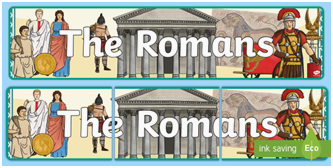
La Historia Antigua se inició cuando las personas aprendieron a leer y escribir y acabó cuando “EL Imperio Romano cayó “en el año 476, en el siglo V.
2.- Watch the previous videos and this one and repeat it with me!!!!
Os envío otro vídeo con el texto de hoy. Conviene que volváis a ver primero los de ayer y después el de hoy y así cada día ir incluyendo uno nuevo. Al final os los aprenderéis sin esfuerzo.
https://mediateca.educa.madrid.org/video/mhqu5l19prcbc6fu
The Ancient History video
https://mediateca.educa.madrid.org/video/etxzwlcebhblf7vb
HAVE A WONDERFUL DAY!!!!

TUESDAY, 5th OF MAY
ACTIVITIES
1 .-In your notebook write the following text to study.
En tu cuaderno copia este texto para estudiar.
PERIODS OF HISTORY
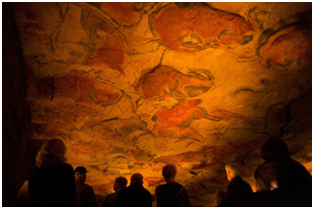
Altamira Caves
- The first one is The Prehistory. El primero es La Prehistoria.
The Prehistory started when humans first appeared and ended when people learnt to read and write.
La Prehistoria empezó con la aparición de los primeros humanos y acabó cuando las personas aprendieron a leer y escribir.
2.- Watch these videos and repeat them with me!!!!
He realizado estos dos vídeos para que os ayude a estudiar. Cada día os enviaré un vídeo con los siguientes Periods of History para que los repitáis conmigo cada día.
https://mediateca.educa.madrid.org/video/mhqu5l19prcbc6fu
https://mediateca.educa.madrid.org/video/gly14ua3rfmswpn7
HAVE A WONDERFUL DAY TODAY!!!!

THURSDAY, 30th OF APRIL
Good morning, everyone. I am very happy to contact you again!!!Let´s start!!! Are you ready???????????????
ACTIVITY
In your notebook, leave a free page for the “cover” and write the following text to study in the next one:
En tu cuaderno, deja una página para hacer la portada más adelante y en la siguiente página copia este texto para estudiar:
PERIODS OF HISTORY
History is divided into five different periods, which are:
- Prehistory.
- The Ancient History.
- The Middle Ages.
- The Early Modern Age.
- The Modern Age.
Each period starts and ends with an important event!!!!!!
HAVE A WONDERFUL DAY!!!!

WEDNESDAY, 29th OF APRIL
Good morning, everyone. I am very happy to contact you again!!!Let´s start!!! Are you ready???????????????
Buenos días a tod@s. Estoy muy feliz de contactar con vosotros de nuevo. Comencemos!!! Estáis preparados????
Vamos a empezar el Modulo 2 de Social Sciences. Como tendréis los libros en el colegio os voy a ir dando toda lo que quiero que aprendáis sin necesidad de libro. No os preocupéis!!! Do not worry!!!!
Cada día habrá una frase que tendréis que aprender (como hacíamos para salir de clase) y eso será lo que tendréis que estudiar.
First we are going to do our daily warming up:
Primero vamos a hacer el calentamiento diario:
Breathe in / Breathe out
Inspira / expira
Shake all about!!!
Mueve todo tu cuerpo!!!
Activity
Today you just have to watch this video and then read this information.
PERIODS OF HISTORY
ESQUEMA VISUAL!!!
History is divided into five different periods, which are:
PREHISTORY
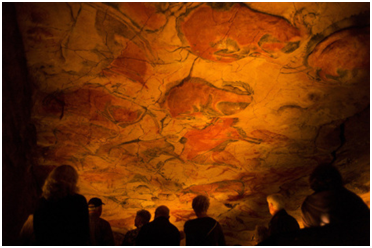
Altamira Caves
THE ANCIENT HISTORY

The Roman Empire ended in 475, in the 5TH CENTURY
THE MIDDLE AGES
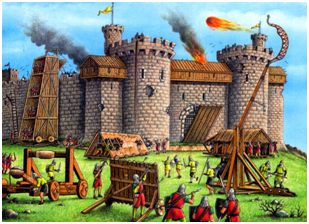
With castles and Knights
THE EARLY MODERN AGE
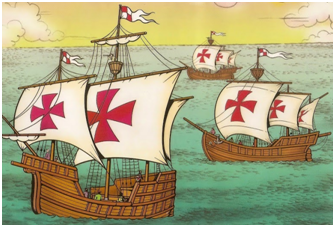
Christopher Columbus discovered America in 1492
AND
THE MODERN AGE
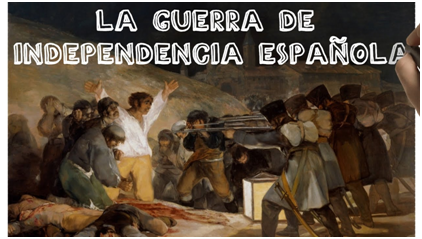
The Spanish War of Independence against Napoleon in 1808.
Each period of History starts and ends with an important event!!!!!!
“La historia se divide en cinco diferentes períodos: Prehistoria, Historia Antigua, Edad Media, principios de la Edad Moderna, Edad Moderna. Cada período de la historia empieza y termina con un importante acontecimiento”.
HAVE A WONDERFUL DAY!!!!

TUESDAY, 28TH OF APRIL
Good morning everyone. I wish you a wonderful day today!!!
Let´s start!!! Are you ready???????????????
Buenos días a tod@a. Estoy muy feliz de contactar con vosotros de nuevo. Os deseo un maravilloso día!!!! Comencemos !!! Estáis preparados????
First we are going to do our daily warming up:
Primero vamos a hacer el calentamiento diario:
Breathe in / Breathe out
Inspira / expira
Shake all about!!!
Mueve todo tu cuerpo!!!
Activities
- Correct the crossword
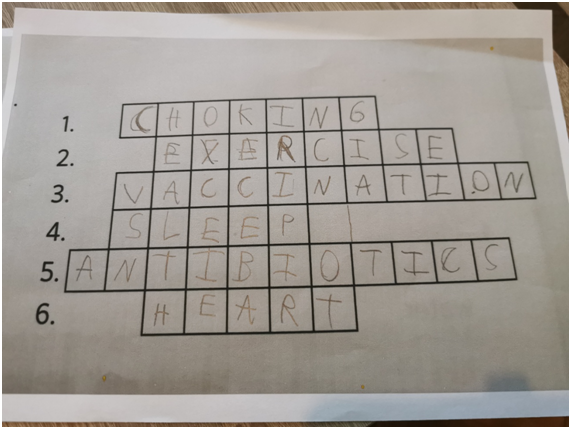
Find the hidden word!!!! HEALTH
QUESTIONNARY
He preparado un cuestionario como resumen de todo el tema que sirve como control del topic » Common Illnesses».
https://forms.gle/taDqN8yP2tALNp1z5
Good luck!!!!

THURSDAY, 23rd OF APRIL
Good morning, boys and girls!!!
Today is a especial day so you will have ONE TAST to do: Choose a nice book either in English or Spanish!!! Enjoy reading it!!!
HAVE A WONDERFUL BOOK DAY!!!!!!
Hoy es un día especial, solo tenéis que hacer una tarea: elige un libro en Ingles o Español!!!Disfruta de la lectura!!!!
Que tengas un feliz DÍA DEL LIBRO!!!!

WEDNESDAY, 22nd OF APRIL
Good morning, girls and boys. I am very happy to contact you again. I wish you a wonderful day today!!!Let´s start!!! Are you ready???????????????
Buenos días, Chicas y chicos. Estoy muy feliz de contactar con vosotros de nuevo. Os deseo un maravilloso día!!!! Comencemos !!! Estáis preparados????
First we are going to do our daily warming up:
Primero vamos a hacer el calentamiento diario:
Breathe in / Breathe out
Inspira / expira
Shake all about!!!
Mueve todo tu cuerpo!!!
Activity
- In your notebook complete the crossword on page 32. Read the definition and write a letter in the square to complete the word. Good luck!!!!!!
- En tu cuaderno completa el crucigrama de la página 32. Lee la definición y escribe una letra en cada casilla hasta completar la palabra.. Mucha suerte!!!!!

THURSDAY, 16TH OF APRIL
Good morning, boys and girls. I wish you a wonderful day today!!!
Let´s start!!! Are you ready???????????????
First we are going to do our daily warming up:
Breathe in / Breathe out
Shake all about!!!
Activities
- Check the answers of the questions.
1.- What discovery helps to cure infections caused by bacteria?
Antibiotics help to cure infections caused by bacteria.
2.-What complex machine allows doctors to see a baby growing in the uterus?
An ultrasound machine allows doctors to see a baby growing in the uterus.
3.-What discovery helps to prevent diseases caused by viruses?
Vaccinations help to prevent diseases caused by viruses.
4.-What machine helps doctors to see if our bones or joints are damaged?
An X-ray machine helps doctors to see if our bones or joints are damaged.
5.- What was the first antibiotic discovered?
Penicillin was the first antibiotic discovered.
6.- Name two diseases we can be vaccinated against?
Polio and tetanus are two diseases we can be vaccinated against.
7.- What should you do if someone is choking?
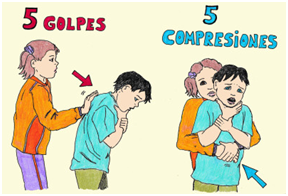
Hit him/her on the back.
8.- What should you do if someone is badly hurt?
Tell an adult or call the emergency services.
. In your notebook complete the diagram on page 32.
HAVE A WONDERFUL WEEKEND!!!!!!
WEDNESDAY, 15TH OF APRIL
Good morning, girls and boys. I am very happy to contact you again. I wish you a wonderful day today!!!Let´s start!!! Are you ready???????????????
First we are going to do our daily warming up:
Breathe in / Breathe out
Shake all about!!!
Activities
- Read again pages 28 and 29 and check if you understand them.
- Answer the questions with full sentences.
1.- What discovery helps to cure infections caused by bacteria?
2.-What complex machine allows doctors to see a baby growing in the uterus?
3.-What discovery helps to prevent diseases caused by viruses?
4.-What machine helps doctors to see if our bones or joints are damaged?
5.- What was the first antibiotic discovered?
6.- Name two diseases we can be vaccinated against?
7.- What should you do if someone is choking?
8.- What should you do if someone is badly hurt?
(Tomorrow I will send you the correct answers)
TUESDAY, 14TH OF APRIL
Good morning, girls and boys. I am very happy to contact you again. I hope you had a wonderful Easter Holidays and you have lots of energy to start this new adventure!!!
I wish you a wonderful day today!!!
Let´s start!!! Are you ready???????????????
First we are going to do our daily warming up:
Breathe in / Breathe out
Shake all about!!!
Activities
- Read on pages 28 and 29 and check how much information you understand.
- Now read the contents of pages 28 and 29 in Spanish.
DESCUBRIMIENTOS E INVENTOS
A lo largo de la Historia, los científicos han realizado descubrimientos e inventado máquinas que ayudan a prevenir y curar enfermedades. Aquí tenemos algunas de ellas:
- LA PENICILINA fue descubierta en 1928 por el investigador Alexander Fleming. La penicilina y otros antibióticos ayudan a curar infecciones causadas por las bacterias.
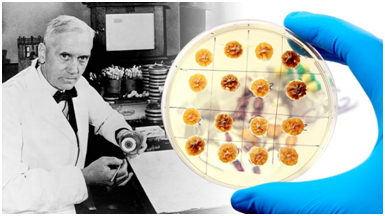
Alexander Fleming y la penicilina
Alexander Fleming y la penicilina
- La primera vacuna fue descubierta en 1796. Vacunarse ayuda a prevenir serias enfermedades como la polio o el tétano, enfermedades provocadas por virus. Tanto bebés como personas mayores deben vacunarse para protegerse pero también es importante vacunarnos si viajamos a países que tienen unos virus propios de ese país que provocan enfermedades que en tu país no existen.
Viajar por el mundo: prevención y vacunas https://youtu.be/CU2Hcw_48qo
- La máquina de Rayos X se inventó en 1895. Permite a los médicos ver si algún hueso o articulación están fracturados, por ejemplo, después de una caída o un accidente.
- La máquina de Ultra-sonidos se inventó en 1963. Es una máquina muy compleja que permite a los doctores ver dentro de nuestro cuerpo, por ejemplo, observar cómo va creciendo un bebé en el útero de la madre o si nuestro corazón está funcionando adecuadamente.
PRIMEROS AUXILIOS:
¿Qué debes hacer en cada caso?
- Alguien está sangrando- Presiona el corte con una gasa.
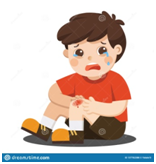
- Alguien se está atragantando- Golpéale firmemente en la espalda.
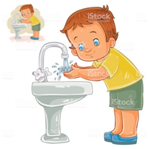
- Alguien se ha quemado- Pon la quemadura bajo el grifo con agua fría durante 10 minutos.
- Alguien está gravemente herido- Avisa a un adulto o llama al 112 (emergencias).

Read again pages 28 and 29 and check if you understand them.
HAVE A WONDERFUL DAY!!!!!
THURSDAY, 2nd OF APRIL
Hoy todos celebramos el Día Mundial TEA por eso solo tenéis que hacer las actividades que se proponen a nivel de Colegio.
- Os voy a dar un link de un libro de “Experimentos “que han hecho unos alumnos de la Universidad, por si os apetece hacer alguno durante las vacaciones!!
- Link de la lista de vídeos de Youtube por si os interesa:
HAPPY EASTER HOLIDAY!!!!!!!!!!!!!!!!!!!!
Wednesday, 1st of April
Good morning, girls and boys. I am very happy to contact you again. I hope you had a wonderful weekend and I wish you a wonderful day today!!!
Let´s start!!! Are you ready???????????????
First we are going to do our daily warming up:
Breathe in / Breathe out
Shake all about!!!
Activities
- Correction of the activity: Say “We should” or “We shouldn’t “.
1.- Go to bed late.
We shouldn’t.
2.- Do some energetic exercise 3 or 4 times a week.
We should.
3.- Play computer games before we go to bed.
We shouldn’t.
4.-Spend 5 hours a day on the computer.
We shouldn’t.
5.- Wash our hands before eating.
We should.
6.-Cover our noses when we sneeze.
We should.
7.-Only brush our teeth at night.
We shouldn’t.
8.- Wear plastic shoes or flip flops at the swimming-pool.
We should.
- Read on pages 28 and 29. They are very easy; you know most of the vocabulary, if not use the dictionary!!!And write the words in your notebook in English and in Spanish.
- In your notebook write the vocabulary in green and their meaning.
TUESDAY, 31st OF MARCH
Good morning, girls and boys. I am very happy to contact you again. I hope you had a wonderful weekend and I wish you a wonderful day today!!!
Let´s start!!! Are you ready???????????????
First we are going to do our daily warming up:
Breathe in / Breathe out
Shake all about!!!
Activities
1.- Activity number 5 on page 27. In your notebook, copy the sentences that are correct and correct the ones that are wrong.
2.- Write these sentences and then finish them with “We should” or “We shouldn´t”.
1.- Go to bed late.
2.- Do some energetic exercise 3 or 4 times a week.
3.- Play computer games before we go to bed.
4.-Spend 5 hours a day on the computer.
5.- Wash our hands before eating.
6.-Cover our noses when we sneeze.
7.-Only brush our teeth at night.
8.- Wear plastic shoes or flip flops at the swimming-pool.
Hola chic@s!!
Acabo de ver vuestro vídeo y me habéis hecho llorar de emoción!! Me ha encantado!!! Sobre todo me habéis hecho sentir que somos muy importantes para vosotr@s y eso me da fuerzas y energía para poder sobrellevar mejor esta situación que estamos viviendo. Estoy deseando volver a veros y daros un fuerte abrazo a tod@s.
HAVE A WONDERFUL WEEKEND!!!!!!!!!!!
AND THANK YOU AGAIN!!!!!!!!!!!!!!!!!!!
THURSDAY, 26th OF MARCH
Good morning, girls and boys. I am very happy to contact you again. I wish you a wonderful day today!!!
Let´s start!!! Are you ready???????????????
First we are going to do our daily warming up:
Breathe in / Breathe out
Shake all about!!!
Activities
- Let´s correct the written Quiz:
1.- You should eat a lot of cakes and fizzy drinks or you should only eat them occasionally?
You/ We should only eat cakes and fizzy drinks occasionally.
2.- Vegetables have fats or minerals and vitamins?
Vegetables have Minerals and vitamins.
3.- You should eat carbohydrates at every meal or once a day?
You/ We should eat carbohydrates at every meal.
4.- Pasta and bread are examples of protein or carbohydrates?
Pasta and bread are examples of carbohydrates.
5.- Proteins is in milk and fish or peppers and carrots?
Proteins are in milk and fish.
6.- You should eat proteins 3 times a day or twice a week?
You/ We should eat proteins 3 times a day.
7.- You can eat as many fats as you like or you should be careful not to eat too many fats?
You / We should be careful not to eat too many fats.
8.- You should eat white bread and rice or wholemeal bread and rice?
You/ We should eat wholemeal bread and rice.
- Read on pages 26 and 27. They are very easy; you know most of the vocabulary, if not use the dictionary!!!!!
- Watch these videos but there are more if you feel like watching them.
Have a wonderful weekend!!!!
WEDNESDAY, 25 th OF MARCH
Good morning, boys and girls. I am very happy to contact you again. I wish you a wonderful day today!!!
Let´s start!!! Are you ready???????????????
First we are going to do our daily warming up:
Breathe in / Breathe out
Shake all about!!!
Activity
Vamos a hacer el Quiz escrito, copia las preguntas y responde con frases completas!!!!!
- In your notebook answer these QUESTIONS:
1.- You should eat a lot of cakes and fizzy drinks or you should only eat them occasionally?
2.- Vegetables have fats or minerals and vitamins?
3.- You should eat carbohydrates at every meal or once a day?
4.- Pasta and bread are examples of protein or carbohydrates?
5.- Proteins is in milk and fish or peppers and carrots?
6.- You should eat proteins 3 times a day or twice a week?
7.- You can eat as many fats as you like or you should be careful not to eat too many fats?
8.- You should eat white bread and rice or wholemeal bread and rice?
Aquí os envío un enlace de actividades y juegos que nos ofrece la Editorial Oxford. Echadle un vistazo.
I hope you like it !!!
En el canal Clan todas las mañanas emiten programas educativos que os pueden interesar, de 10:00 a 11:00 cada día trabajan un área para vuestras edades; los martes Sociales y los viernes Naturales. Echadles un vistazo a ver si os gustan.
TUESDAY, 24 th OF MARCH
Good morning, boys and girls. I am very happy to contact you again. I hope you had a wonderful weekend and I wish you a wonderful day today!!!
Let´s start!!! Are you ready???????????????
First we are going to do our daily warming up:
Breathe in / Breathe out
Shake all about!!!
Activities
- Read again pages 24 and 25.
- Videos Youtube:
“happy learning healthy food”
“In Spanish: Alimentación sana. La Pirámide Alimentaria “
- Practica estos diálogos con algún miembro de tu familia o tú puedes hacer los diferentes personajes.
IT IS FUN!!!!!!!!
DIALOGUES
(TWO PEOPLE: DOCTOR AND GIRL/BOY)
Doctor: Good morning. What is your name?
Girl/ Boy : My name is __________________ .
Doctor: Now what is the problem with you today?
Girl/ Boy: Ohhhh! I’ve got a terrible stomach ache and a headache.
Doctor: Do you have a temperature?
Girl/ Boy: Yes, I think so.
Doctor: Well we can check now… Have you been running to the toilet a lot?
Girl/ Boy: Yes, four times this morning!
Doctor: Well, you have a stomachache!!! Take this medicine 3 times a day.
Take care!!! Bye!!!
(THREE PEOPLE: DOCTOR, Mrs BEAN AND GIRL/BOY)
Doctor: Good morning. How are you Mrs Bean?
Mrs Bean: I’m very well thank you. It’s my son/ daughter who is sick.
Doctor: Oh dear. What is the matter?
Mrs Bean: He/ She has a terrible cold! He is sneezing and coughing and blowing his/her nose all the time.
Doctor: So … he/she has a runny nose.
Does he/she have a temperature?
Mrs. Bean: No, I don’t think so. It’s just a bad cold.
Doctor: Take this medicine 3 times a day. Take care!!! Bye
(TWO PEOPLE: DOCTOR AND GIRL/BOY)
Doctor: Oh dear. What’s wrong with your arm?
Girl: It’s broken. I went to the hospital yesterday and they told me to come and see you today. Doctor: Oh, I see and how did you break your arm then?
Girl: I fell off a horse.
THURSDAY, 19th OF MARCH
Good morning, boys and girls. I am very happy to contact you again. I wish you a wonderful day today!!!
Let´s start!!! Are you ready???????????????
First we are going to do our daily warming up:
Breathe in / Breathe out
Shake all about!!!
Activities
- Check the General vocabulary with the file in Spanish I have sent you right now.
- Today´s task is to do “the Cover” ( la portada) of the topic Common Illnesses, in your notebook.
Have a wonderful weekend!!!!
WEDNESDAY, 18 th OF MARCH
Good morning, boys and girls. I am very happy to contact you again. I wish you a wonderful day today!!!
Let´s start!!! Are you ready???????????????
First we are going to do our daily warming up:
Breathe in / Breathe out
Shake all about!!!
Activities
- Read the book on pages 24 and 25.
- I am sending you a summary of the topic in Spanish.
In your notebook copy the vocabulary and translate it into Spanish that I am sending you in a file.
“General vocabulary”.
TUESDAY, 17 th OF MARCH
Good morning, boys and girls. I am very happy to contact you again. I hope you had a wonderful weekend!!!
Let´s start!!! Are you ready???????????????
First we are going to do our daily warming up:
Breathe in / Breathe out
Shake all about!!!
Activities
- Have a look on page 22 and see what is happening to all the children in the hospital waiting room.
( a stomach ache, flu, a cold, head lice, an earache, have fever, broken arm)
- In your notebook, match the symptoms with the illnesses, on page 23. ?
Thursday, 12th of march
Good morning, boys and girls. I am very happy to contact you through this new resource. I hope we have a good time and do the activities without pressure!!!
My email is sonsoles.gomez@educa.madrid.org You can send me the activities through here. If I send you an activity to fill up, the following day I will send you the right answer.
Activities
1.- Review all about the body systems, as we have to finish the text when we come back to school.
2.- Complete the diagram in your notebook on page 20.
3.- Cada vez que os recomiende un video para ver tenéis que seguir los siguientes pasos:
- Ver el video en inglés con los subtítulos en Inglés.
- Volver a visionar el video en español.
- Una tercera vez en inglés con los subtítulos en Inglés. (No tiene que ser todo seguido, podéis verlo a lo largo del día tantas veces como os venga bien).
- As we are starting the new topic about Common Illnesses the first activity you have to do is to
- Watch the youtube video: What is the coronavirus?


60 comentarios