PÉSAJ
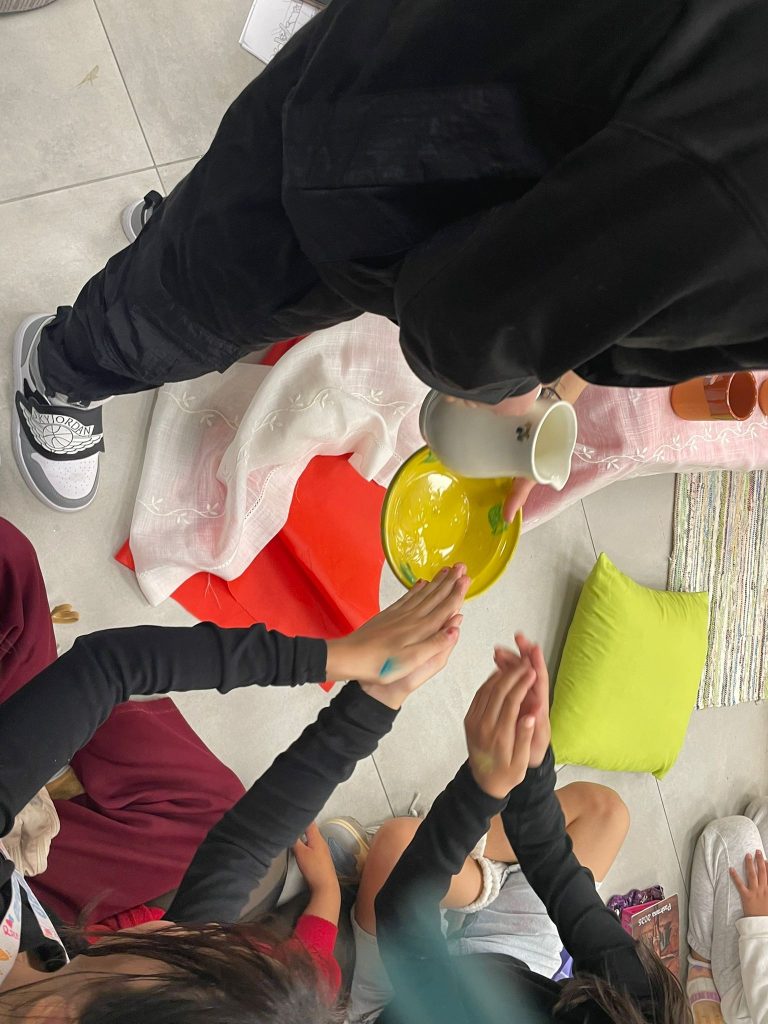
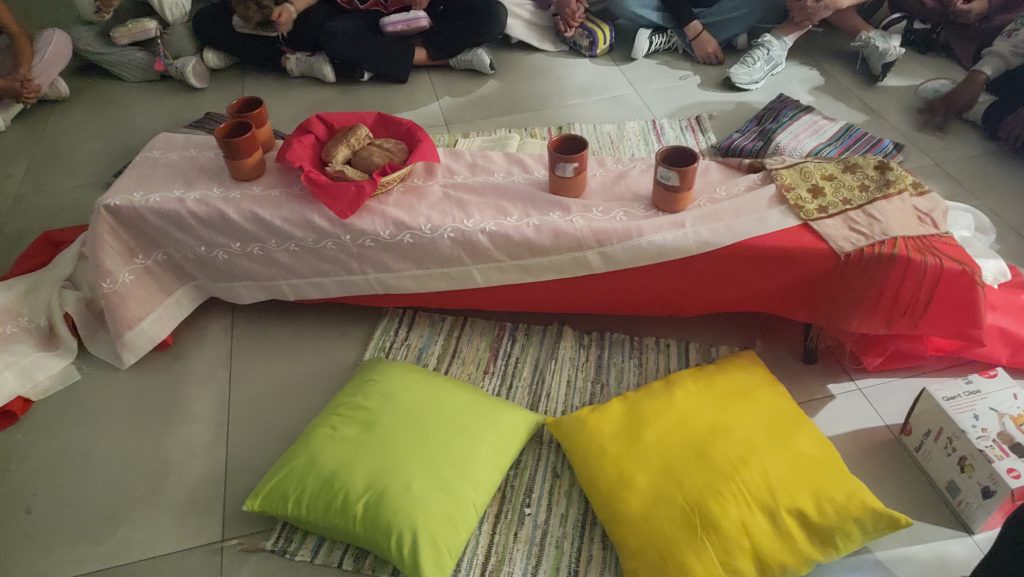
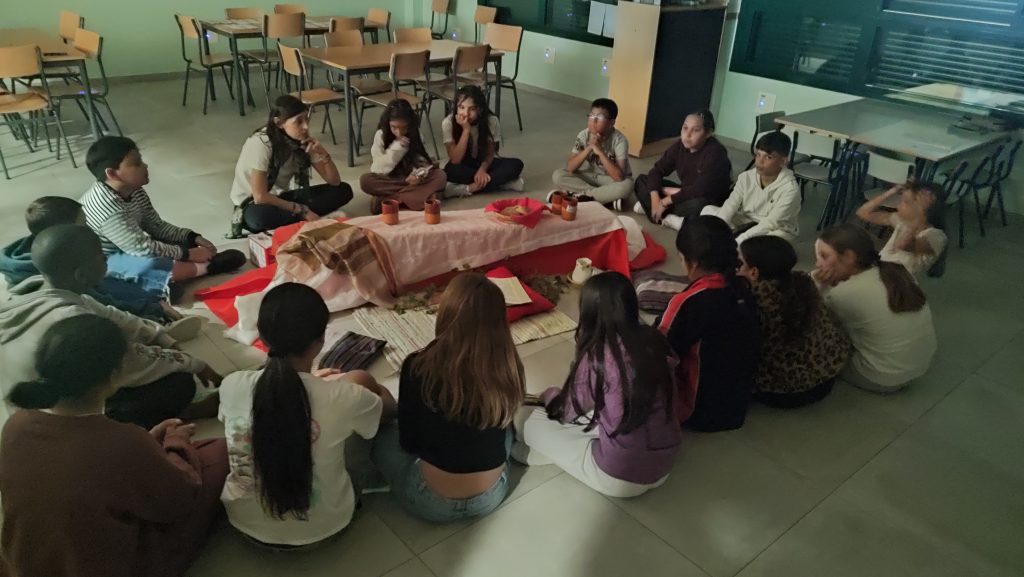
Hemos trabajado el origen y sentido de la Semana Santa. Conocemos la fiesta judía del Pésaj, escenificando la narrativa de la cena, sus cánticos y los gestos que Jesús realizó con sus discípulos. Para acabar hemos analizado la obra de Leonardo da Vinci de la «Última cena» identificando los personajes y las emociones que desprendían a través de sus rostros y gestos. De esta forma vivencial comprendemos los textos bíblicos que se expresan y se unen en la tradición cristiana y en el arte.
We worked the origin and sense of the Easter Week. We learnt about the Jewish Holiday Pésaj, staging the narrative of the last supper, its chants and the gestures Jesus made with his disciples. To finish we analized Leonardo da Vinci’s painting «The last supper» identifying the characters and the emotions they conveyed through their faces and gestures. In this experential way we understand the biblical texts that express and join in the christian tradition and the art.





DÍA DE LA HISPANIDAD
INFANTIL Y 1º-2º:
CONOCEMOS LA HISTORIA DE LA VIRGEN DEL PILAR
EXPLICAMOS QUE SE CELEBRA EL 12 DE OCTUBRE.
WE EXPLAIN THE CELEBRATIONS ON OCTOBER 12TH.
VEMOS UN VÍDEO DONDE CONOCEMOS LA HISTORIA DE LA VIRGEN DEL PILAR.
WE WATCH A VIDEO TO LEARN ABOUT THE VIRGIN OF PILAR
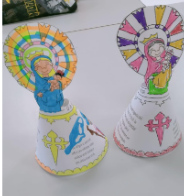
COLOREAMOS LA FICHA DE LA VIRGEN DEL PILAR Y RECORTAMOS.
WE COLOUR THE WORKSHEETS OF THE VIRGIN OF PILAR AND WE CUT OUT
PRIMARIA 5º Y 6º:
ACERCARNOS A OTRAS CULTURAS EN EL DÍA DE LA HISPANIDAD.DEL PILAR

EN EL AULA HAY UN ESPACIO CON INSTRUMENTOS, FOTOGRAFIAS Y OBJETOS TÍPICOS DE ALGUNOS PAÍSES DE LATINOAMÉRICA. In the classroom there is a space with instruments, photographs and typical objects from Latin American countries.
COMENZAMOS UN DIÁLOGO EN TORNO A LO QUE VEMOS, Y SOBRE QUÉ TIENE QUE VER CON EL DÍA DE LA HISPANIDAD. We start a dialogue regarding what we see and what is related with the day.
Dialogamos sobre qué pensamos qué es el día de la Hispanidad, su origen, qué se celebra…
We discuss what we think is the Hispanic Heritage Day, its origin, what is celebrated…
Hablamos sobre la diversidad de las culturas, lo característico de algunas de ellas y sobre si pensamos qué la diversidad de culturas nos enriquece o nos separa.
We talked about the diversity of cultures, the characteristics of some of them and whether we think that the diversity of cultures enriches us or separates us.
Actitudes que tenemos sobre los que “son diferentes” o de otros lugares, como mirar las culturas no como algo que es una amenaza, sino como algo que nos puede aportar cosas positivas y enriquecernos como personas. Para ello nos hemos puesto diferentes gafas, para entender que depende de cómo miremos a las personas que vienen de otros lugares podemos acogerlas o rechazarlas, valorarlas o pensar que no tienen nada bueno que darnos.
Attitudes we have about those who “are different” or from other places, such as looking at cultures not as something that is a threat, but as something that can bring us positive things and enrich us as people. To do this, we have put on different glasses, to understand that depending on how we look at people who come from other places, we can welcome them or reject them, value them or think that they have nothing good to give us.

NATIVIDAD

El grupo de madres ayudando a construir el belén del colegio. ¡Crucemos los dedos para ganar el concurso este año!
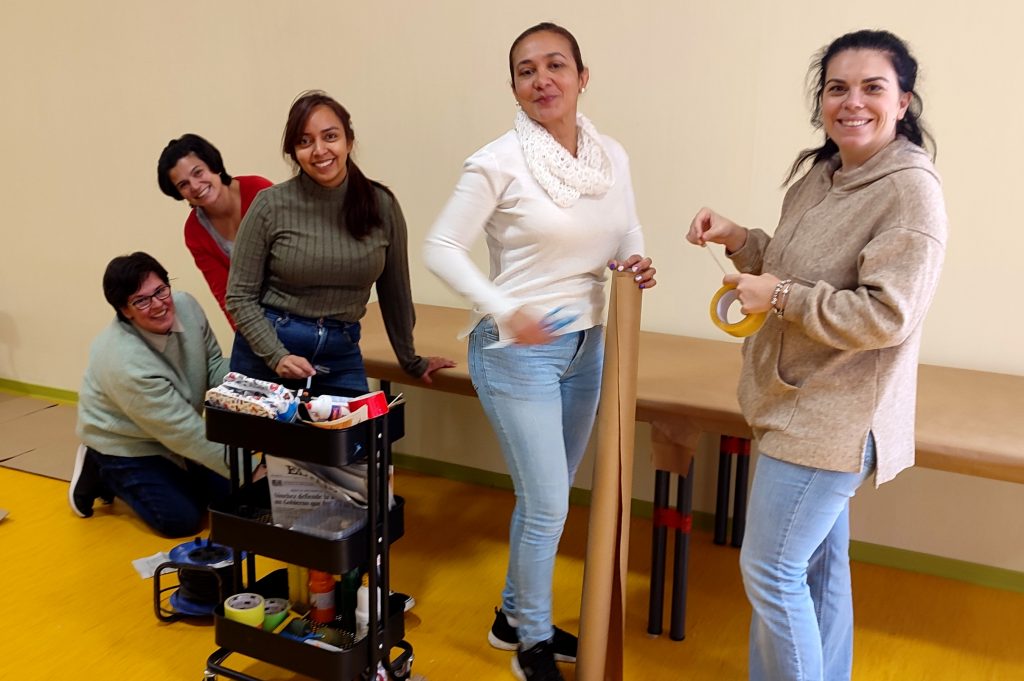
The group of mothers helping to Pilar this year to make the Nativity Scene. Let’s cross our fingers to see if we can win the contest this year.